Home BPC-157 and GHK-Cu
Keep recovery stories and skin research in separate seats
BPC-157 comes up in recovery talk; GHK-Cu comes up in skin care. I’d keep the two conversations separate. Neither has an FDA-approved medicine, and an interesting finding doesn’t tell us that a treatment works for the person hearing about it.
BPC-157 has a human-evidence gap

BPC-157 is assembled in the lab from amino acids. Those are protein’s building blocks, joined here as a short chain. Most recovery research involves cells or animals. A review of muscle and joint research found very little human evidence. That leaves a big gap when someone asks whether it will help their injury.
I can believe a friend feels better without knowing why. What was the injury? What other care were they getting? Those questions help me understand the story without turning their experience into proof for everyone else.
FDA found too little clinical safety information to describe BPC-157’s risks reliably. The human studies were small and short, with limited safety monitoring. There’s no FDA-approved label covering interactions or pregnancy risks, either. Missing information leaves uncertainty about harm.
GHK-Cu brings copper into the skin conversation
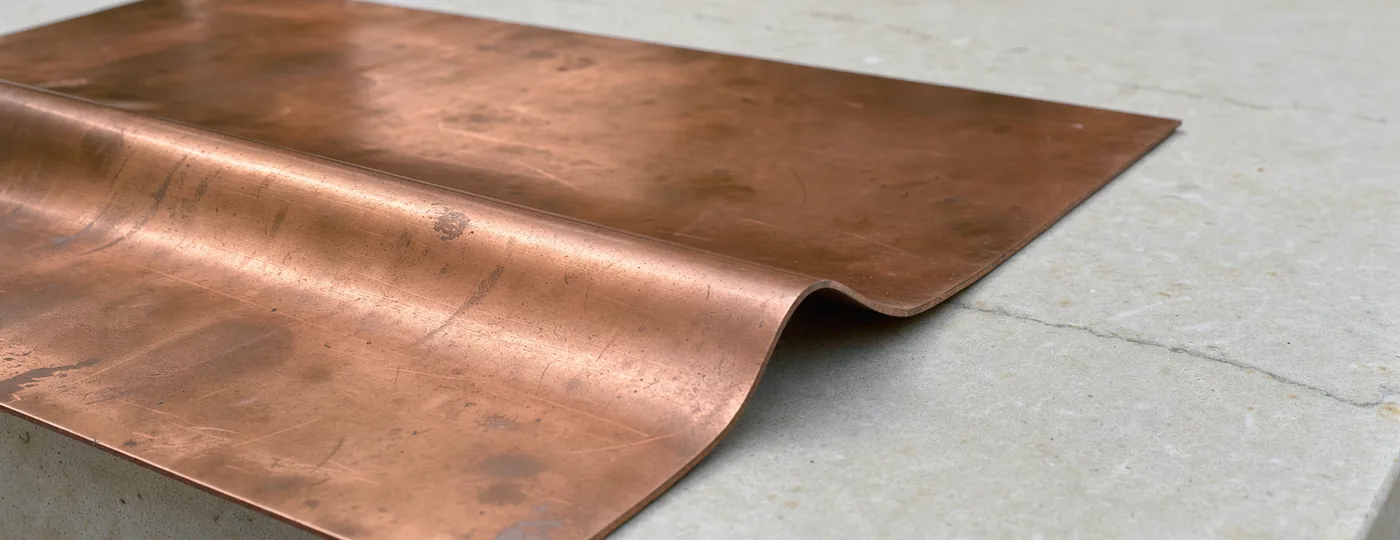
GHK-Cu is a peptide made of three protein building blocks, bound to copper. You may hear about it in creams and serums. A review of topical GHK found a shortage of studies in people, so the evidence in people is much thinner than the confident skin claims might suggest.
A skin product and an injection need separate evidence. FDA flags limited human safety data for injectable GHK-Cu and worries about immune reactions from clumping or impurities. Those concerns are about injected preparations; they don’t establish the same harms from a cream.
Bring the underlying concern to care
For an injury or skin concern, I’d bring the problem itself to a licensed U.S. clinician, along with the name I’d heard. Ask what established options fit and what evidence would support anything else. Non-injectable GHK-Cu has a separate compounding status from the injectable form. A research-use label isn’t a way to settle a personal treatment decision.